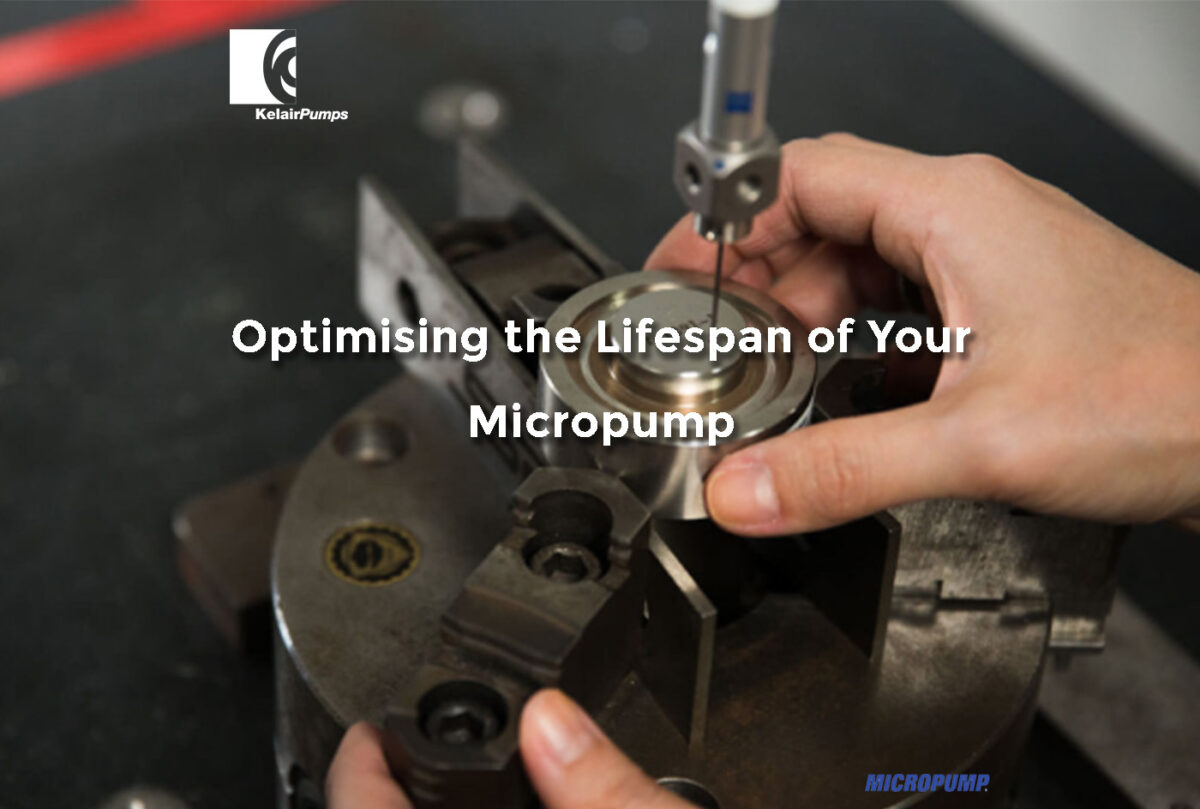
Optimising the Lifespan of Your Micropump: Maintenance of Micropump
Proper maintenance of Micropump products is essential to ensure their longevity, reliability, and optimal performance. Here are the key aspects of maintaining Micropump systems:
1. Routine Inspections
- Visual Examination: Regularly inspect for signs of wear, leaks, or damage. Look for any discoloration or corrosion on components.
- Connection Check: Ensure that all connections (hoses, fittings, and electrical connections) are secure and free of any deposits or contaminants.
2. Cleaning
- Fluid Path Cleaning: Depending on the fluid being pumped, it might be necessary to clean the pump’s fluid path periodically to avoid buildup or contamination. Follow specific guidelines for cleaning agents that are compatible with the materials used in the pump.
- External Cleaning: Keep the exterior surfaces free from dirt and contaminants. Use a soft cloth dampened with an appropriate cleaning solution that won’t damage the pump’s materials.
3. Calibration and Testing
- Flow Rate Testing: Periodically check the flow rate to ensure it remains within specified tolerances. Deviations may indicate wear or other issues that need addressing.
- Calibration: If your application requires precise delivery, regular calibration may be necessary to confirm the pump’s accuracy. Refer to the manufacturer’s recommendations for calibration intervals.
4. Replace Worn Parts
- Wear Components: Replace parts as needed based on the observed condition or manufacturer’s guidance.
- Stock Spare Parts: It might be useful to keep commonly replaced parts in stock to minimize downtime.
5. Environmental Control
- Temperature and Humidity: Ensure that the pump operates within the recommended temperature and humidity ranges. Extreme conditions can impact performance and lifespan.
- Vibration and Shock: If the pump is mounted on machinery that generates vibrations, consider vibration-dampening mounts to reduce wear.
6. Servicing
- Accessibility: The design of Micropump products facilitates easy access to components that may need servicing, such as filters and nozzles. This allows for quick replacement and maintenance without significant downtime.
7. Monitoring Pump Performance
- Pressure and Flow Rate: Regularly monitor the pump's flow rate and pressure. Significant changes in performance may indicate blockages, wear, or other issues that need addressing.
- Power Consumption: An increase in power consumption can indicate mechanical resistance within the pump, such as due to wear or blockage.
Adhering to a preventive maintenance protocol and following Micropump's guidelines will optimize the pump's operational efficiency, mitigate the likelihood of failures, and prolong its service lifespan.