
Pump failure: Common causes and how to prevent them
Pump failure can be a major disruption to a production line’s efficiency. Whether problems are caused by leaks, power supply issues, or breached seals, a pump failure can result in reduced productivity and pose a threat to workplace health and safety, depending on the severity of the issue.
In this article, we will explain what causes pump failure, some of the most common symptoms, and the necessary steps to prevent it in the first place.
What causes pump failure?
There is no single reason that pumps fail, as multiple parts of a pumping system may degrade across its operating life cycle. This can be avoided by adhering to your pump’s preventative maintenance plan and by scheduling regular services.
Some pump failures can be attributed to non-compliance with industry regulations and standards. Although pumps have parts that can wear down over time, a poorly made and installed machine that doesn’t follow regulations and specifications is more likely to cease proper function.
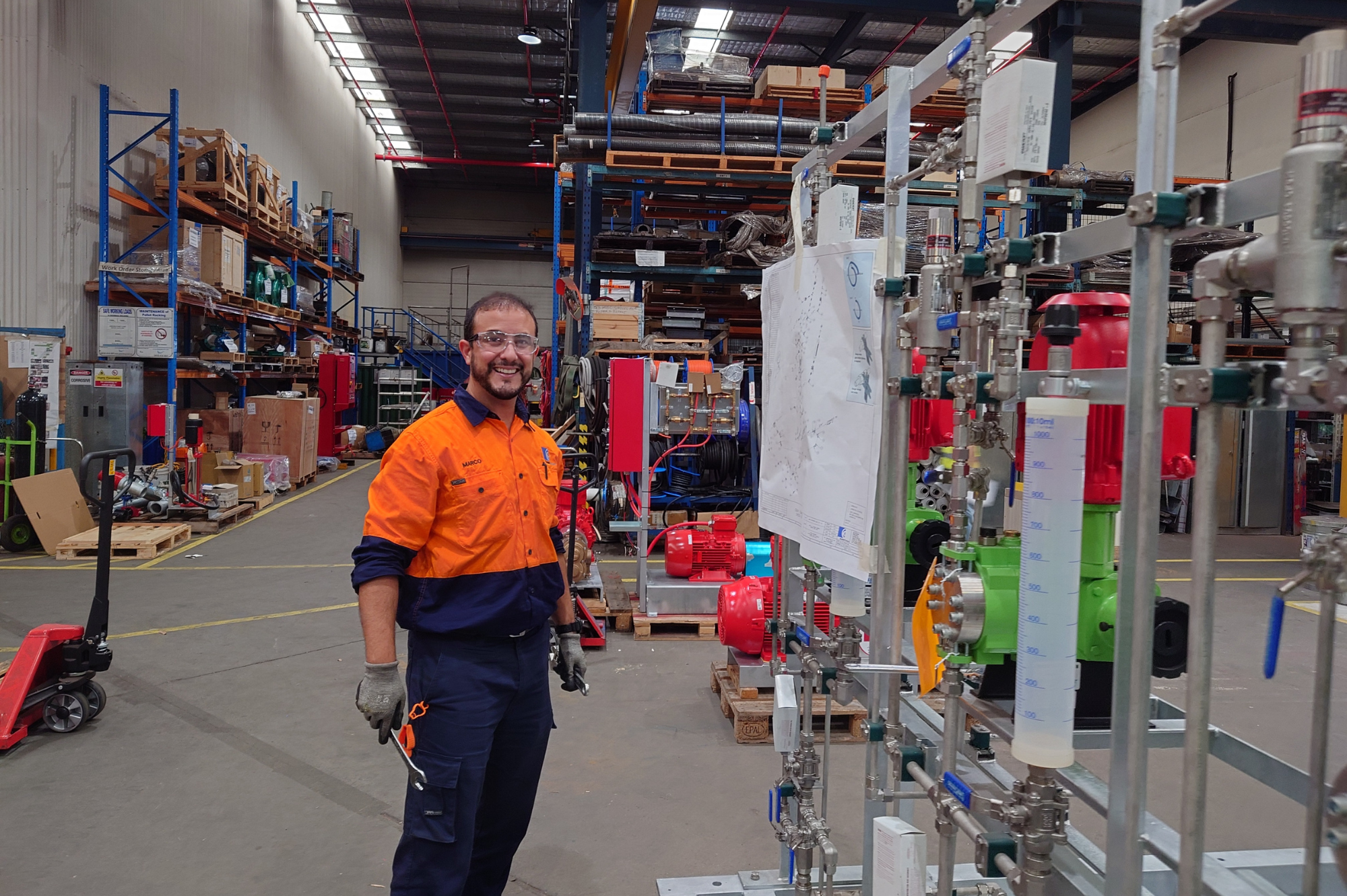
How regulatory non-compliance leads to pump failure
Since pumps serve several critical industries, they come with an extensive number of regulations that need to be followed. These are a mix of Australian Standards (AS) and international standards like ISO, ANSI, API, ASMI, and EN that guarantee a pump’s proper function and reduce the risk of failure.
Neglecting these standards can be disastrous for pumps and potentially result in substantial downtime or physical injury in some cases.
Here are common regulatory non-compliances our service technicians see on the job:
- Incorrect installation: This is caused by ignoring standards or the manufacturer's installation guidelines, and can lead to vibration, bearing failure, or major ump breakdown.
- Fire system non-compliance: If a fire pump does not properly follow the AS 2919 or AS 2118 regulations, it can fail to provide the required flow and pressure in an emergency.
- Electrical hazards: Non-compliance with the AS/NZS 3000 rules for electrical connections can result in inadequate wiring, leading to electric shocks, fires, or damage to equipment and staff.
- Environmental contamination: Failing to follow environmental standards like AS4020 or ISO14001 means that pumps can leak hazardous materials into soil or waterways and incur environmental fines, reputational harm, and pump damage.
- Cavitation and system damage: Failure to implement hydraulic performance standards can result in cavitation eroding pump impellers and casings, reducing your pump’s life span and requiring expensive replacements.
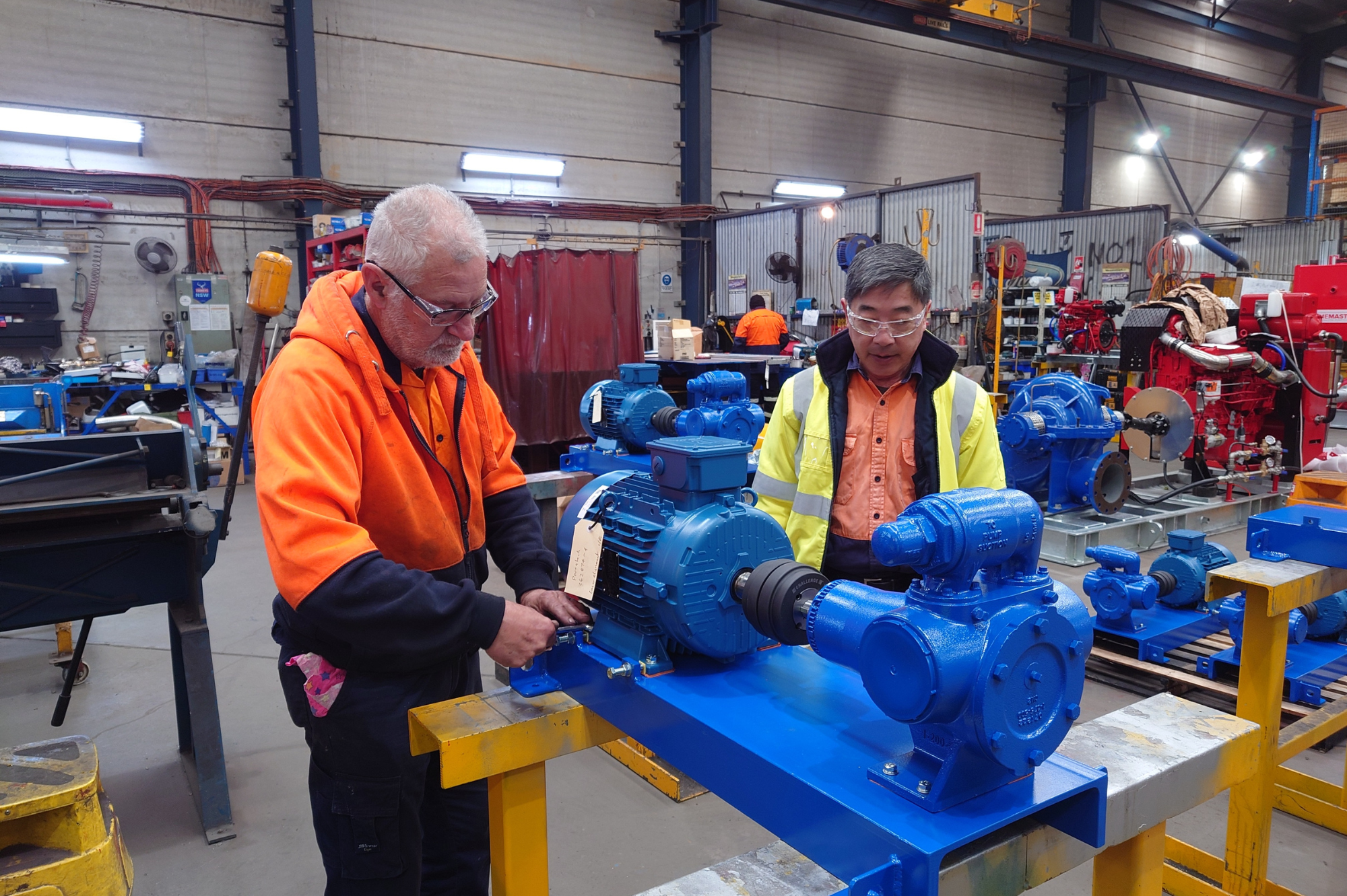
Common types of pump failure
When regulations are not followed, a pump can experience one or multiple kinds of failures in key systems. Here are some of the most common kinds of failure that we see during our pump repair calls:
- Damage to seals: Improper priming or lubricating of a pump’s seal can cause it to dry out and begin cracking, leading to leakages. Avoid this by using the correct seal and lubricating it properly.
- Power supply problems: Without a consistent, reliable power supply, a pump motor can experience power outages, fluctuations and surges that can cause ongoing damage to the rest of the machine.
- Damage to internal impellers: Impeller failure inside a pump can be caused by factors like erosion or improper sizing within the pump chamber. This can lead to an imbalance of pressure for the entire pump.
- Buildup or contamination: Pumps are inevitably worn down by the substance they’re processing but letting too much residue build up at the intake and outflow points can lead to serious issues. Avoid this by regularly cleaning the device.
Regulations and standards that need to be followed
When creating or repairing pumps for our clients, we ensure our compliance with both international and Australian standards that are relevant to pump design, testing, and application.
For every one of our pumps, we follow these regulations and standards:
- ISO Certifications: We follow the international standards for Occupational Health & Safety, Quality Management, and Environment Management to produce safe, high-quality products for our customers.
- Pump Testing Standards: Our team adopts international and local standards when testing pumps on our in-house rig.
- Fire Protection Systems: For fire protection systems, we closely adhere to Australian Standards that guarantee our fire pumps meet strict safety and reliability requirements.
- Industry Best Practices: All our products are aligned with the installation, operation, and maintenance requirements of the Australian and International Standards.
However, our customers must also comply with the appropriate Australian Standards and WHS laws to keep the pumps we supply safe for them to use in the long term.
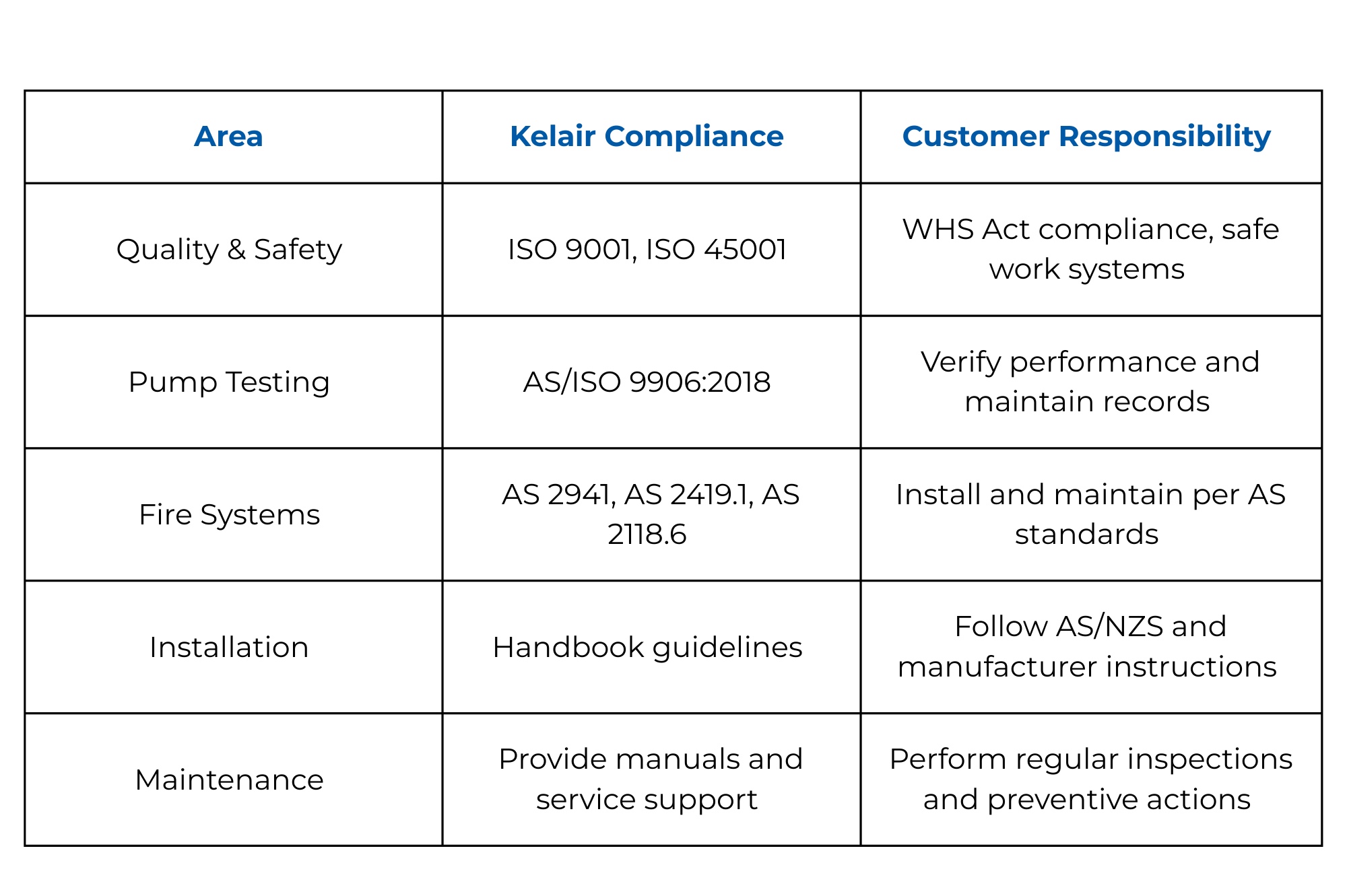
For an overview of both manufacturer and customer responsibilities, see the table below:
Summary Table
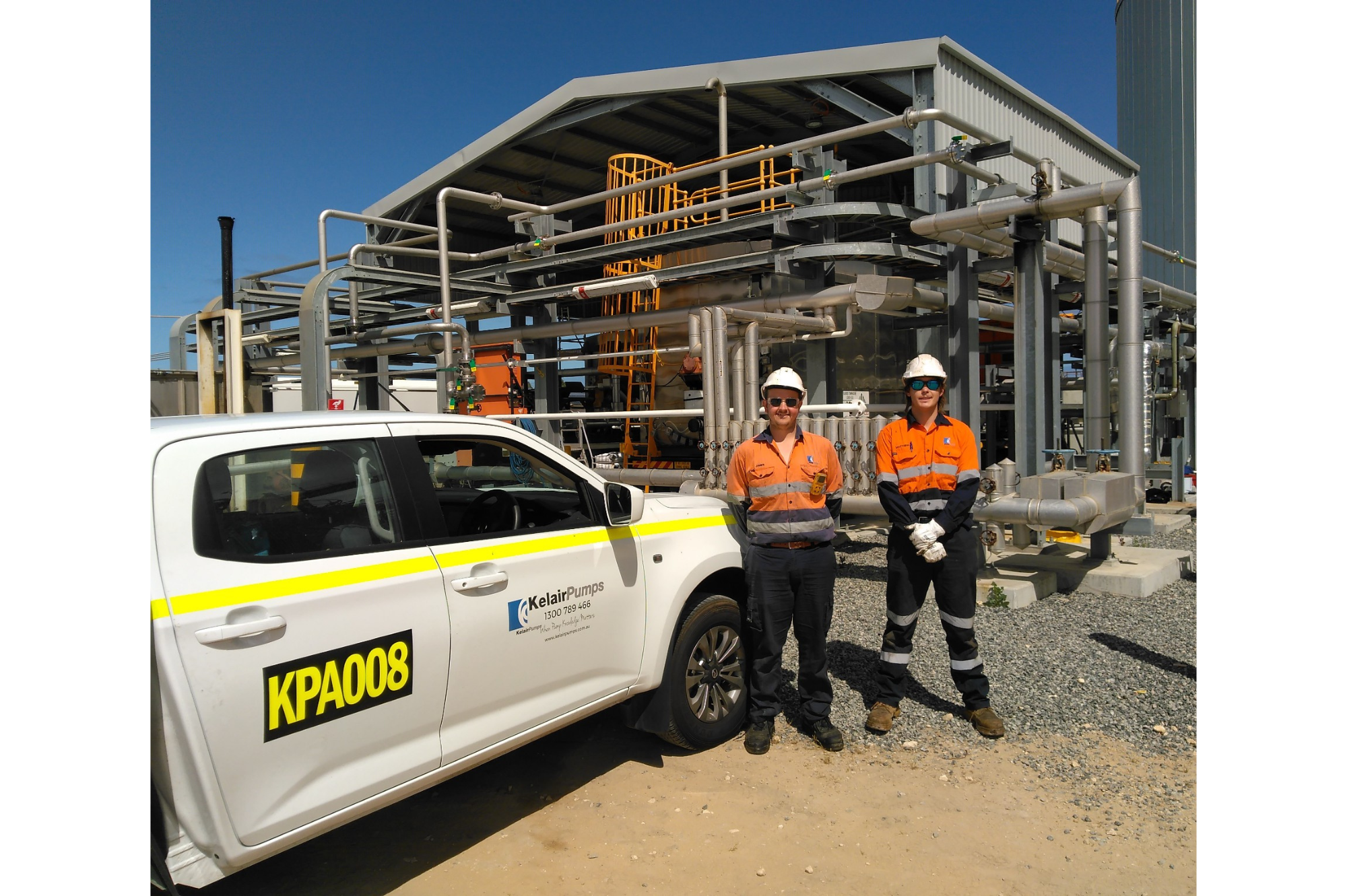
How to prevent pump failure
To prevent pump failure, our recommendation is to purchase a device for your specific application from a trusted manufacturer, follow the necessary regulations, and implement a rigorous preventative maintenance plan from day one.
When you buy a product from Kelair Pumps, you don’t just get a pump designed for your specific application. We provide you with a pump that closely follows international standards and comes with an extensive service plan that keeps it performing at the highest level.
For pumps that you can rely on, and knowledge you can trust, choose Kelair!