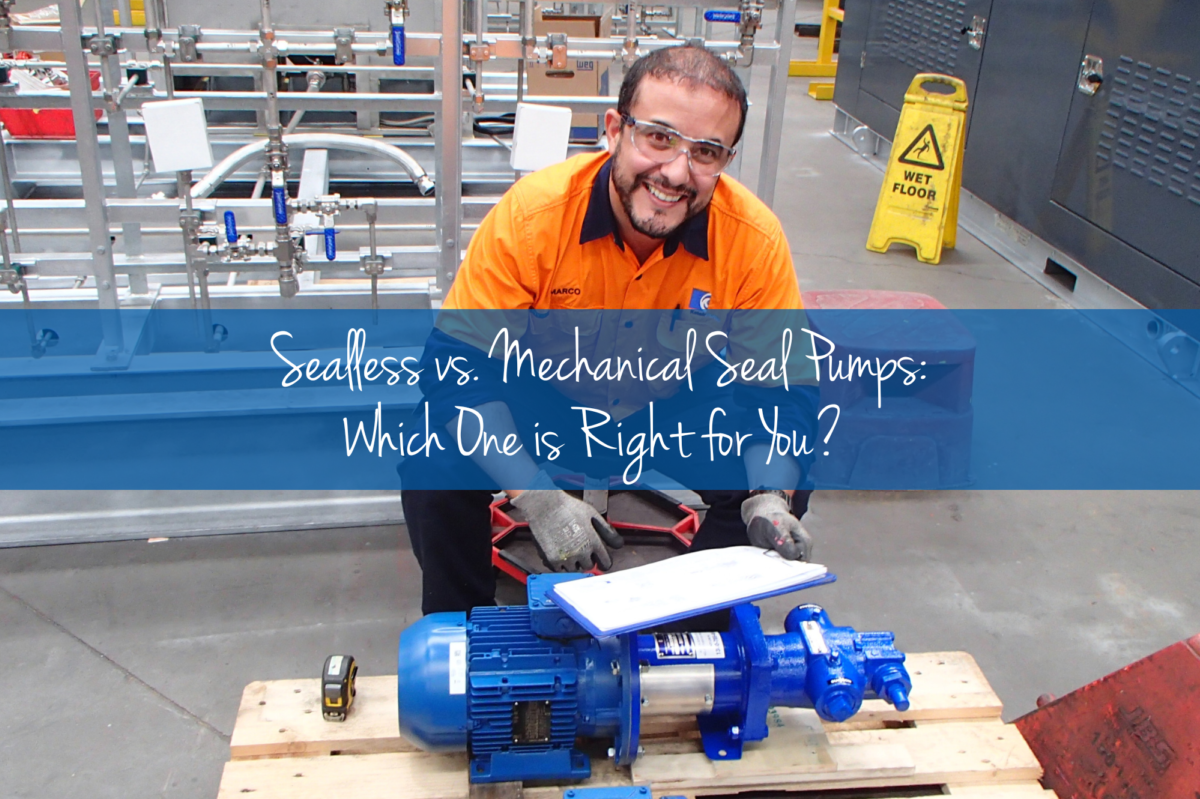
Sealless vs. Mechanical Seal Pumps: Which One is Right for You?
Leakage control remains one of the most critical engineering challenges in pump system design. When moving aggressive chemicals, high-temperature fluids or abrasive slurries, the interface between rotating and stationary components is where risk and costs tend to concentrate.
For decades, mechanical seals have been the accepted solution to this challenge. However, sealless magnetic drive pumps are quickly becoming the standard in operations where zero leakage is a compliance requirement rather than an aspirational goal.
Both technologies have distinct advantages and inherent limitations. In this article, we’ll contrast and compare the options to help you better decide which pump design best aligns with your application and performance expectations.
Mechanical seals: Strengths, weaknesses and when to use
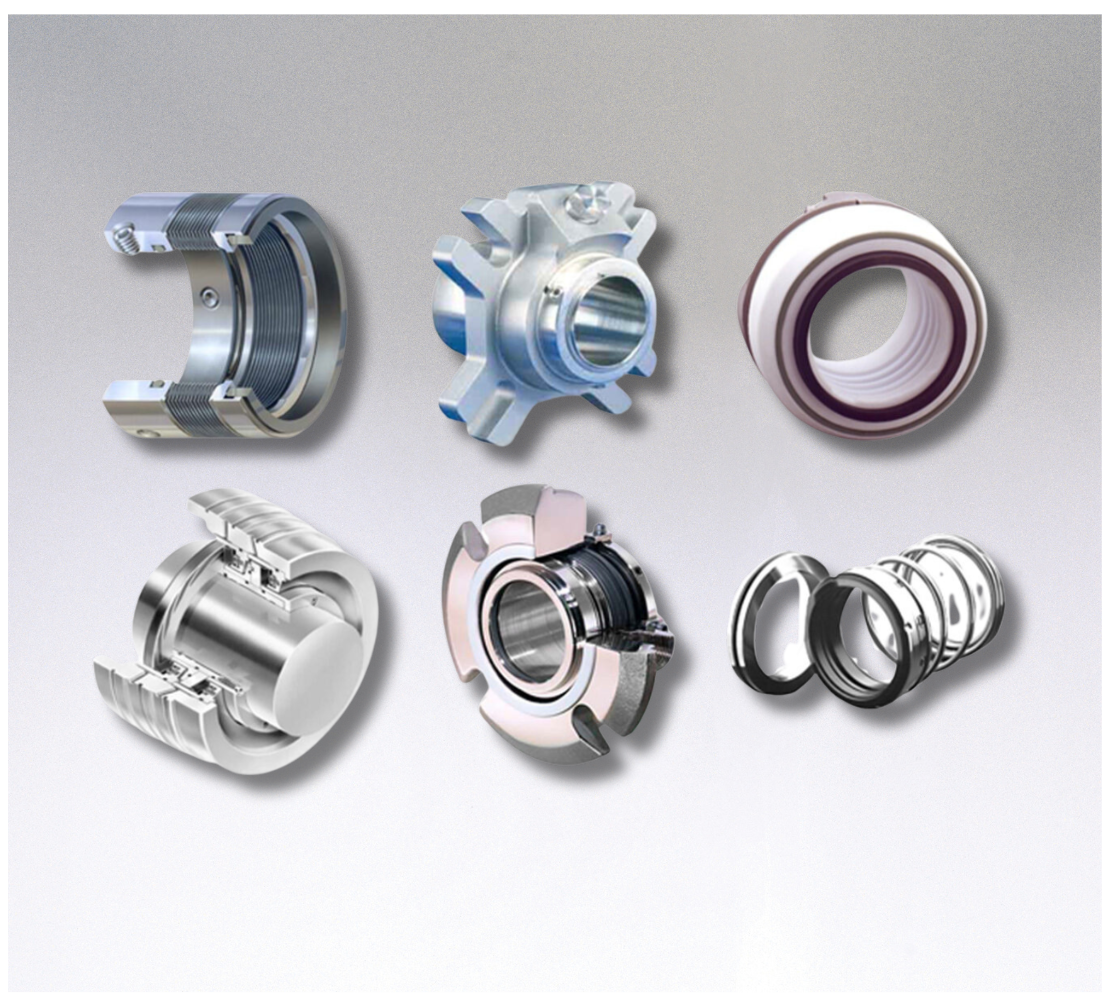
Mechanical seals remain highly relevant in modern pump engineering because of their robustness, flexibility and performance under demanding operating conditions. Their biggest advantage is their ability to handle solids-laden fluids, slurries and viscosities that would compromise a sealless pump’s internal bearings or containment shell, allowing for predictable sealing performance even when dealing with significant particulate content.
Additionally, mechanical seals excel in high-temperature and high-pressure applications. They are commonly found in hot oil circulation, refinery processes, polymer transfer, high-pressure feed systems and any application where elevated thermal or mechanical loading exceeds the capabilities of a standard magnetic coupling.
Of course, these strengths come with their own set of maintenance realities. Mechanical seals wear over time, particularly in services with abrasive particles, high shaft speeds or inconsistent lubrication. Even well-maintained seals will eventually degrade, leading to leakage risk, increased maintenance intervention and unplanned downtime. Many operators also face rising lifecycle costs associated with seal support systems such as flushing, cooling or barrier fluid arrangements.
Despite these challenges, mechanical seals remain the better choice when you need to move hot, viscous, abrasive or shear-sensitive fluids, and when system pressures exceed the envelope of available sealless designs.
Sealless magnetic drive pumps: When zero leakage is needed
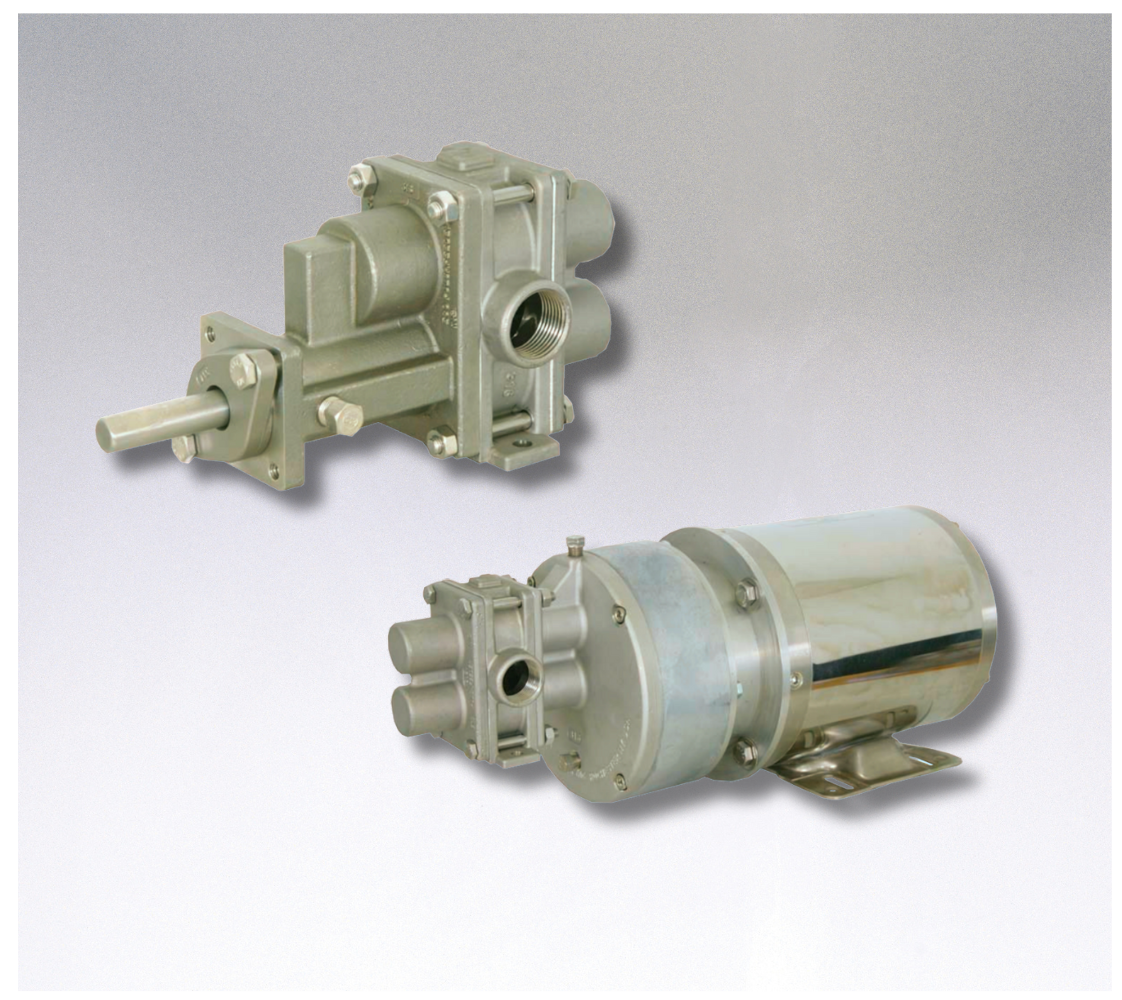
Meanwhile, sealless magnetic drive pumps have seen a significant increase in use over the past decade, particularly within chemical processing, pharmaceuticals and industries where even minor leakage poses major issues. By eliminating the mechanical seal, these pumps remove the most common point of failure in a rotating pump system.
The obvious advantage is that no seal means no seal wear. With no dynamic sealing surface to worry about, the risk of leakage effectively drops to zero and dramatically reduces downtime, maintenance interventions and lifecycle cost. This makes magnetic drive pumps particularly suitable for toxic, volatile, flammable, corrosive or environmentally regulated fluids, where containment is non-negotiable.
However, sealless magnetic drive pumps have important limitations. Their initial capital cost is typically higher, and they are less suited to handling solids or slurries, which can damage internal bearings or cause coupling decoupling.
Additionally, system design must account for cooling and lubrication of internal components, and dry-run conditions must be strictly avoided.
That said, in operations where zero emission, zero leakage and minimal maintenance are driving priorities, sealless pumps often provide the safest and most cost-effective long-term solution.
Which type of pump is right for you?
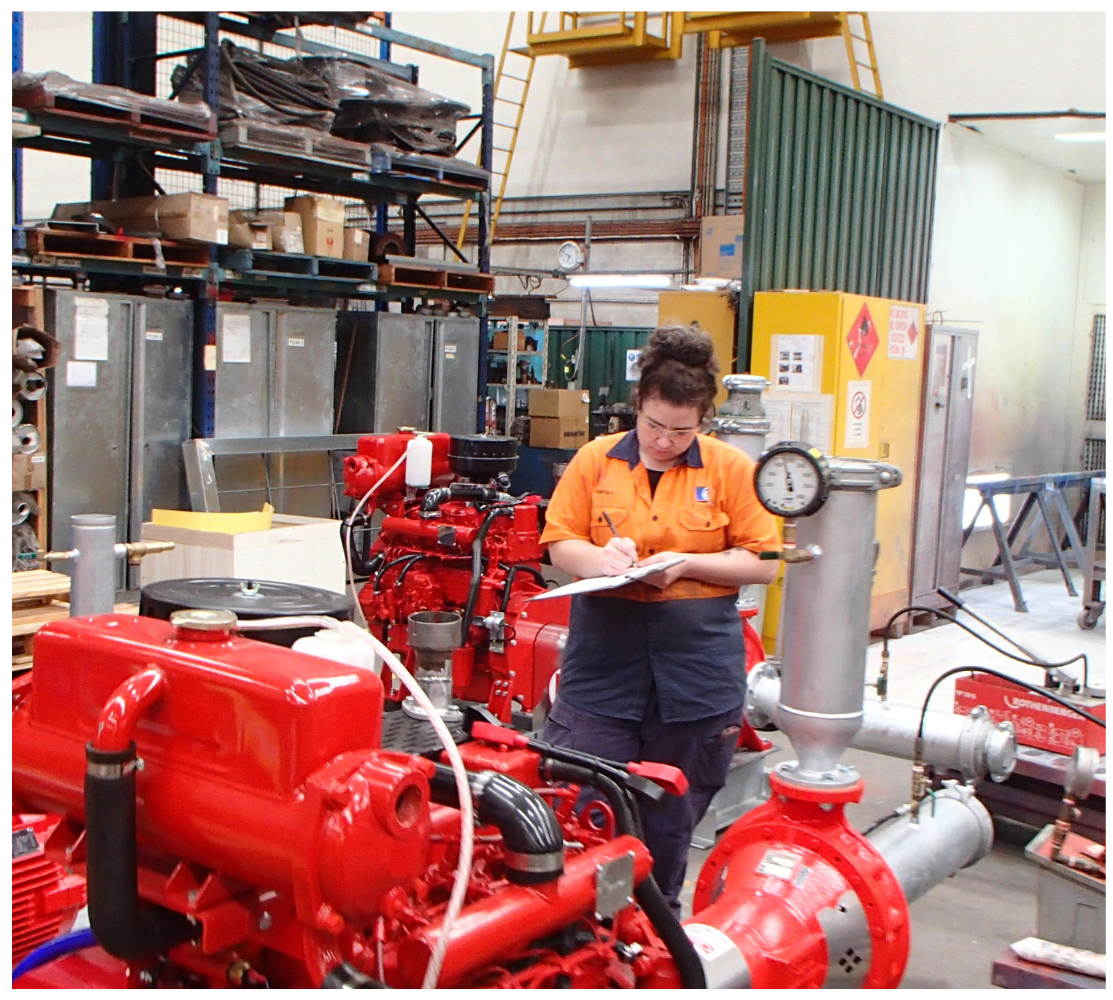
When selecting between a mechanical seal or sealless magnetic drive pump, the optimal choice depends on a clear understanding of your system requirements. Key factors include:
- Fluid properties (toxicity, solids content, viscosity, temperature, corrosiveness)
- Operating conditions (pressure, flow, duty cycle, thermal stability)
- Safety and environmental compliance requirements
- Lifecycle cost and maintenance expectations
- Compatibility with existing plant infrastructure
Depending on which of these factors takes priority in your operation, you’ll need to consider whether you want your pump to have a mechanical seal or a sealless magnetic drive. In many cases, the right solution is not about which technology is “better”, but which offers the most reliable, compliant and economic performance for your specific use case.
Get help selecting the right pump
Both mechanical seal and sealless magnetic drive pumps play an essential role in modern fluid-handling applications. We supply and support both technologies, working with leading global manufacturers to ensure the right fit for every system requirement.
Need help selecting the right pump for your application? Our engineering team can assess your operating conditions, evaluate risk factors, and recommend the safest, most efficient solution possible.