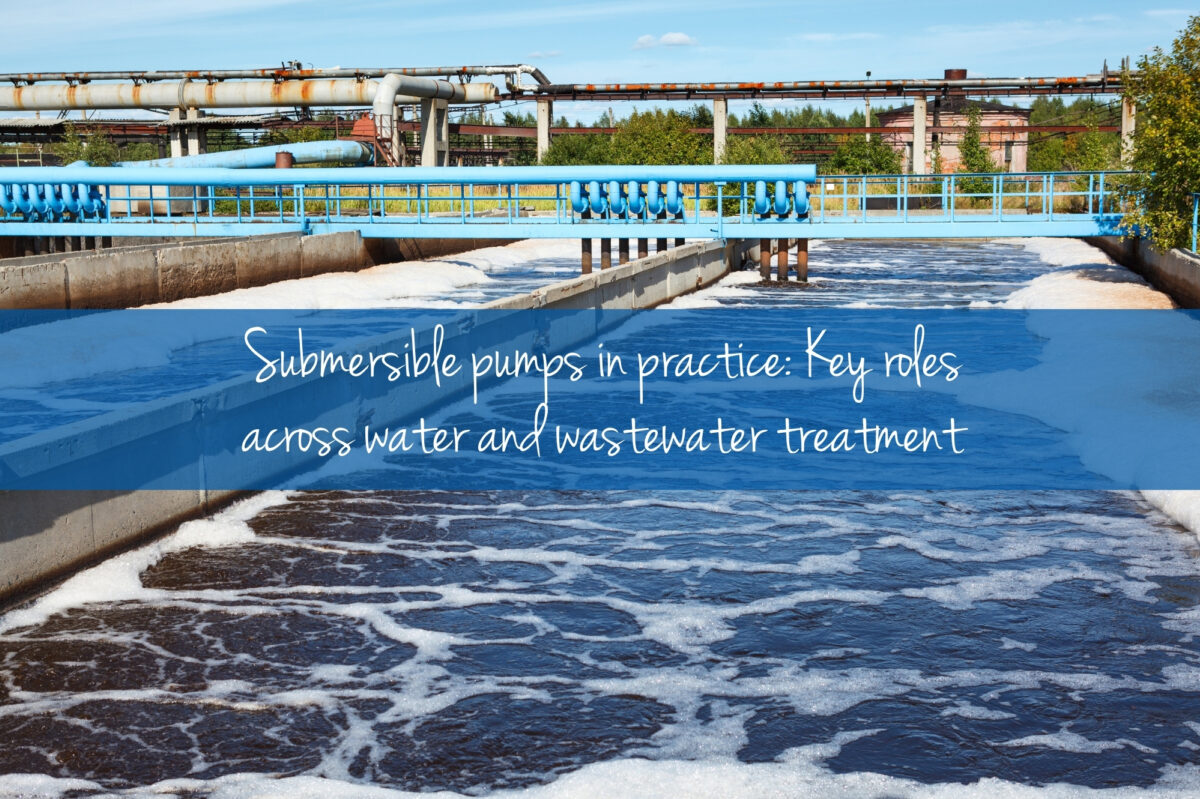
Submersible pumps in practice: Key roles across water and wastewater treatment
Submersible pumps play a critical role across water and wastewater systems, offering an installation approach that simplifies civil requirements while improving reliability in demanding environments.
By combining the motor and pump in a single sealed unit that operates directly within the fluid, submersible pumps reduce priming requirements, lower operational noise levels, and eliminate many of the access constraints associated with surface-mounted equipment.
This article outlines where and why submersible pumps are used across key treatment stages, to help engineers select appropriate designs for each application.
Applications in raw water intake and transfer
In rivers, dams, bores, and wet wells, submersible pumps handle raw water intake and transfer efficiently, particularly where water levels fluctuate significantly or civil infrastructure is limited.
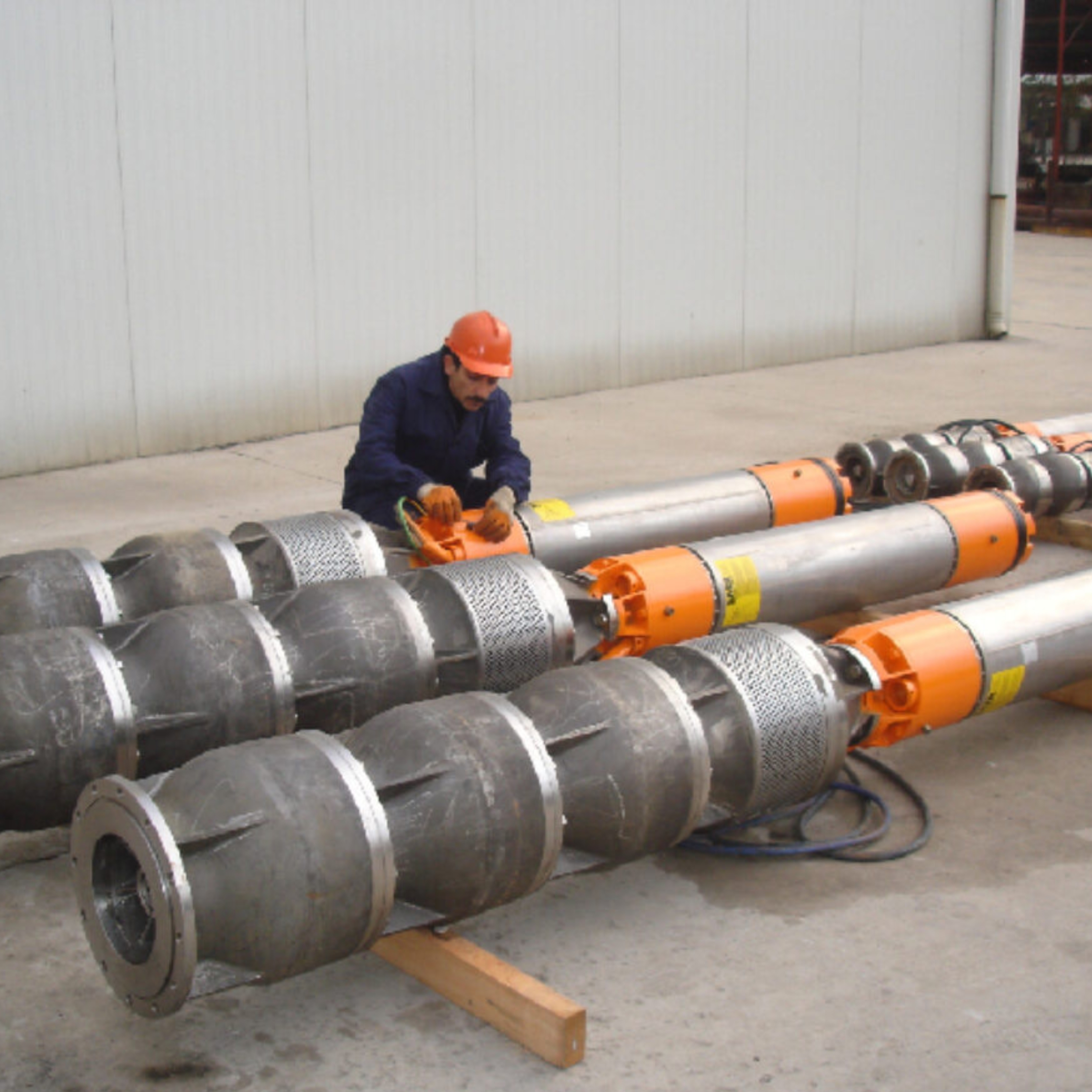
Their ability to operate reliably across a wide range of submersion depths makes them a practical choice for open water sources subject to seasonal variation, and for remote locations where constructing above-ground pump houses are not feasible or economical.
Solids content, debris handling, and corrosion resistance are the primary selection considerations at the intake stage. Raw water commonly carries suspended sediment, fibrous material, and biological matter, that can damage or block, conventional pump configurations.
Submersible pumps selected for raw water intake duty should incorporate suitable screening arrangements, wear-resistant impeller materials, and corrosion-resistant construction matched to the chemistry of the source water.
Applications for wastewater collection and treatment processes
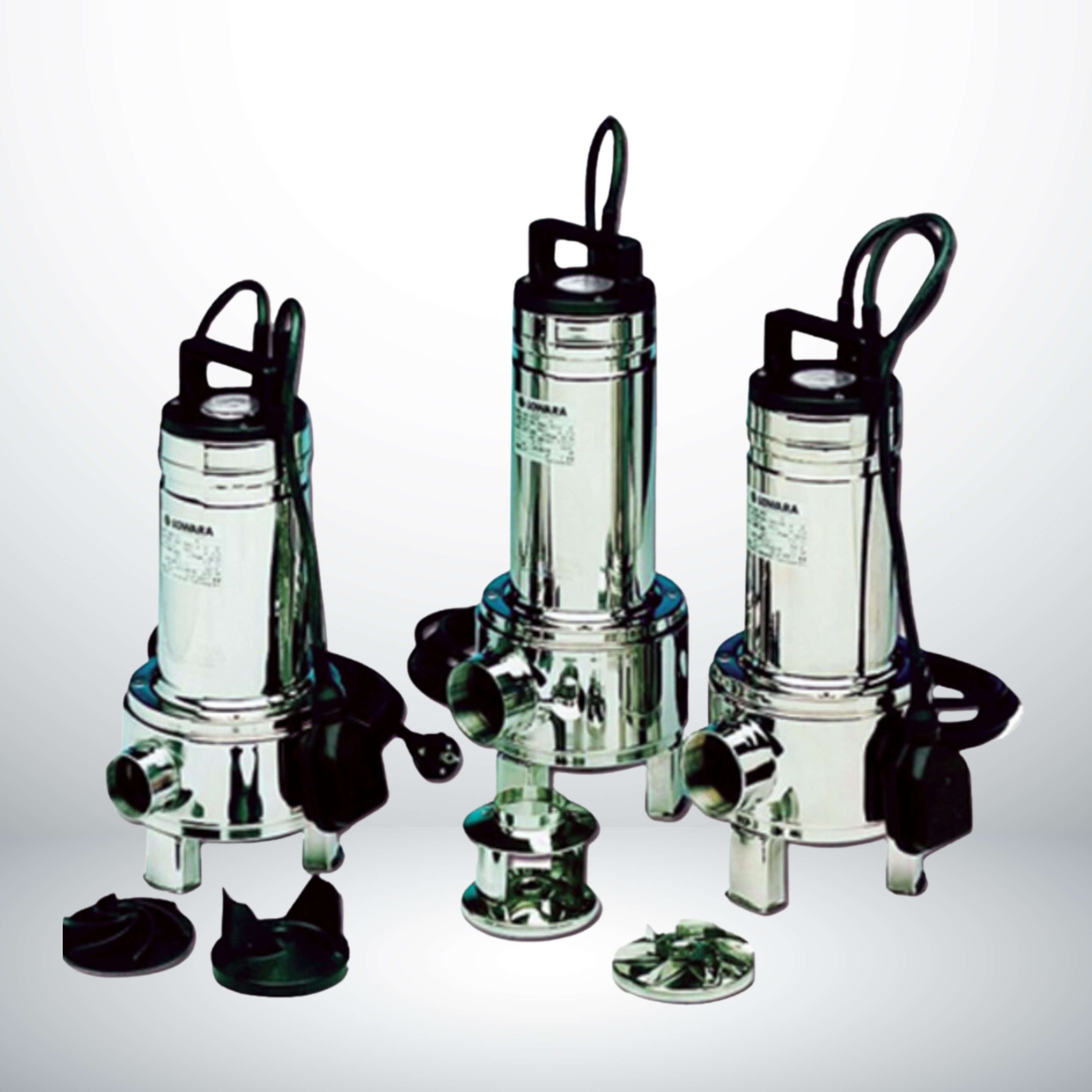
Submersible pumps are the preferred choice for sewage lift stations and collection networks across Australia. Several water authorities have adopted submersible wet well sewage pumping stations as the norm, due to their compact footprint and reduced reliance on below-ground dry well infrastructure.
In primary treatment stages, submersible pumps handle influent transfer and sludge movement from clarifiers and settlement tanks. Impeller design is particularly important in these applications. Vortex and single-channel impellers are effective for passing solids and fibrous material without clogging, while chopper impellers address rags and wipes that are increasingly common in modern sewage streams. Motor cooling is also a key consideration in lift stations where low sump levels may limit the volume of fluid available to dissipate motor heat, making built-in cooling jacket designs a practical choice for continuous duty installations.
Sludge handling and treated effluent systems applications
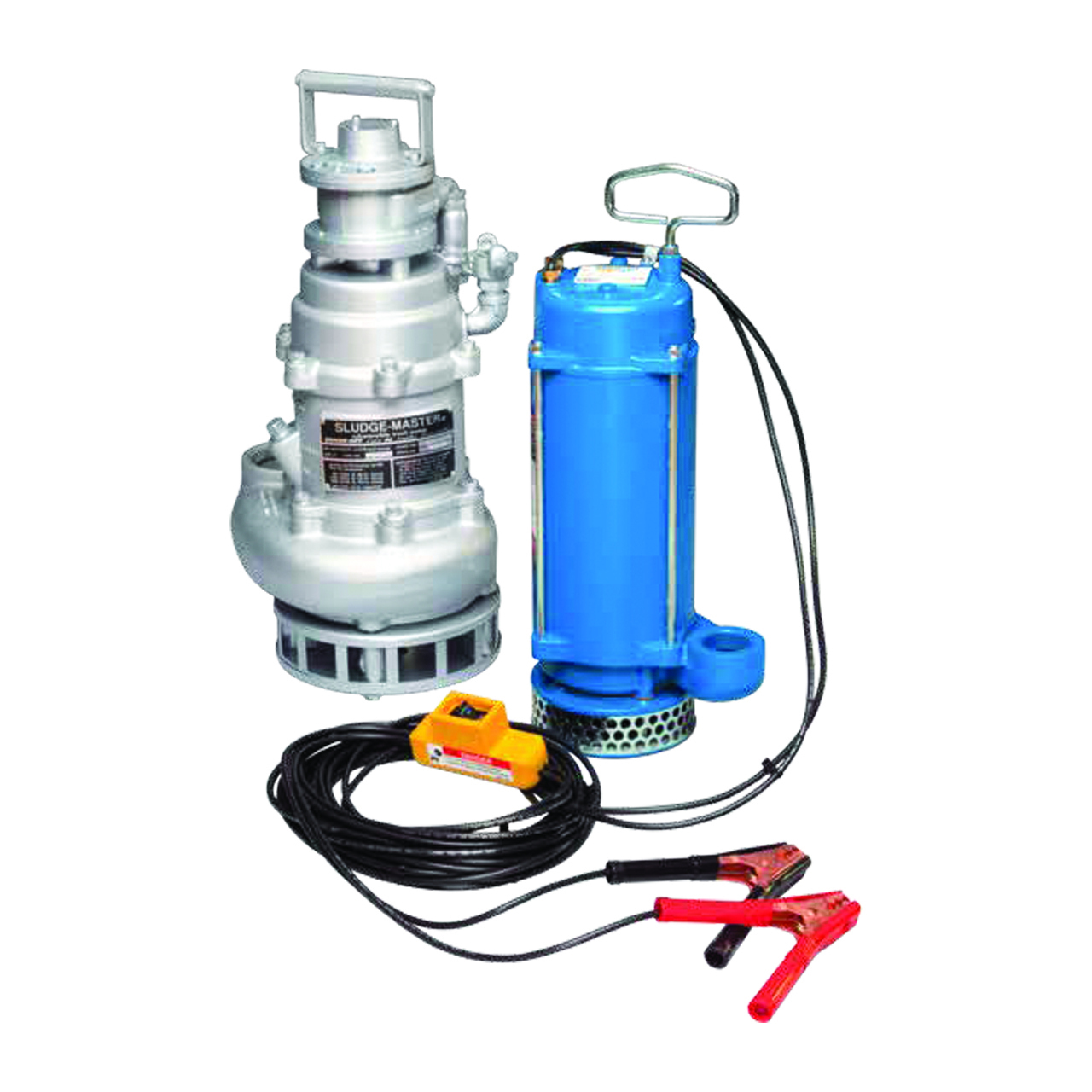
Sludge handling is one of the more demanding applications for submersible pumps. Thickened, digested, and return-activated sludge vary considerably in viscosity and solids concentration, requiring pumps with robust sealing systems and wear-resistant components to sustain performance over time.
For treated effluent, submersible pumps support discharge to receiving waterways, reuse distribution systems, and stormwater management infrastructure. These duties demand reliable sealing to prevent contamination and materials suited to the chemical profile of treated water, which varies according to the upstream treatment process.
Ease of access for inspection and routine maintenance is a critical selection factor across sludge and effluent duties, given the confined and often hazardous nature of the environments involved.
Matching the right pump to every stage of treatment
Submersible pumps support multiple stages of water and wastewater treatment, from raw water intake to final discharge. Selecting the right pump for each stage requires careful evaluation of impeller geometry, sealing systems, material specification, and motor cooling against the fluid properties, and duty conditions at each point in the treatment process. Getting these decisions right from the outset is essential for long-term reliability and helps reduce the risk of costly unplanned downtime across the system.
Kelair Pumps supplies a comprehensive range of submersible pump options for water and wastewater treatment applications across Australia, including the Flygt range from Xylem and the Sandpiper SludgeMaster for solids-handling duties. To discuss your application requirements with the Kelair team, visit kelairpumps.com.au.