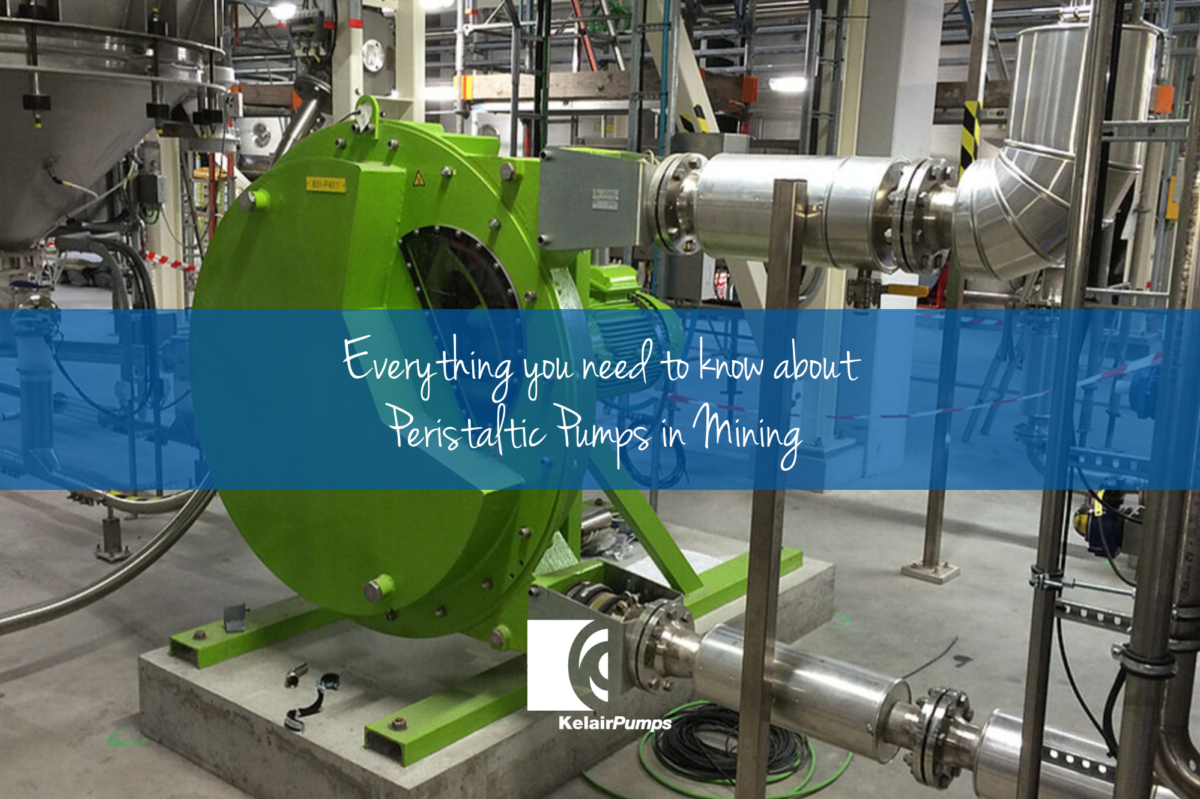
Everything you need to know about Peristaltic Pumps in Mining
Introduction
Mining operations present some of the most challenging conditions for equipment, particularly pumps. Handling abrasive slurries, corrosive chemicals, and high solid-content fluids requires pumping solutions that are durable, reliable, and easy to maintain.
Peristaltic pumps, also known as hose or tube pumps, are an excellent choice for the mining industry due to their unique design and numerous advantages over traditional pump types. This article explores how peristaltic pumps work, their benefits in mining applications, and why they outperform other pump options in harsh environments.
What is a Peristaltic Pump?
A peristaltic pump operates using the simple yet effective mechanism of peristaltic motion. This process involves a flexible hose or tube being compressed by rotating rollers or shoes, which push the liquid through the system. As the rollers move forward, the hose returns to its original shape, creating a vacuum that draws in more fluid, ensuring a continuous and controlled flow.
Key components of a peristaltic pump include:
- Hose or tube – The flexible component that carries the fluid.
- Rotor and rollers – These create the peristaltic action by compressing the hose.
- Pump casing – Protects internal components and ensures smooth operation.
- Drive mechanism – Provides the rotational force needed for the rollers to move.
Since no moving parts come into direct contact with the fluid, peristaltic pumps eliminate many common issues found in traditional pumps, such as clogging, excessive wear, and contamination.
Why Peristaltic Pumps are Ideal for Mining
Mining environments are notoriously tough on equipment. From handling abrasive slurries to pumping corrosive fluids, mining pumps must withstand extreme conditions while maintaining efficiency. Peristaltic pumps excel in these settings for several reasons:
- No Seals or Valves – Traditional pumps rely on seals and valves that wear out quickly when exposed to abrasive particles. Peristaltic pumps eliminate these components, significantly reducing maintenance needs and the risk of leaks.
- Self-Priming & Dry-Running Capability – Unlike many other pump types, peristaltic pumps can run dry without damage. This makes them ideal for intermittent mining processes where fluid levels fluctuate.
- Durability in Harsh Conditions – The flexible hose in a peristaltic pump is the only part that comes into contact with the fluid, allowing it to be made from materials resistant to abrasion and corrosion.
- Simple Maintenance – With fewer wear parts, replacing a hose is a quick and cost-effective maintenance task compared to repairing or replacing traditional pump components.
Common Applications in Mining
Peristaltic pumps are used in various mining applications due to their versatility and ability to handle difficult fluids.
They are commonly employed for transferring slurries with high solid content, as their gentle yet powerful peristaltic action effectively moves thick slurries containing sand, gravel, and other solids without clogging.
They are also widely used for dosing reagents and chemicals, providing precise metering for flotation, pH control, and mineral extraction without the risk of over-dosing or wastage.
Water management is another a critical aspect of mining, and peristaltic pumps play a crucial role in dewatering operations by efficiently removing excess water from mine shafts and tunnels.
Lastly, they are effective in handling tailings, the byproduct of ore processing, which is often a slurry of fine particles that can be difficult to pump. The robust nature of peristaltic pumps allows them to handle these materials with minimal wear and tear
Advantages Over Other Pump Types
Compared to other mining pumps, such as centrifugal and diaphragm pumps, peristaltic pumps offer several key benefits:
- Lower Total Cost of Ownership – With fewer moving parts and minimal maintenance requirements, peristaltic pumps can reduce operational costs over time.
- Accurate & Consistent Dosing – Their precise flow control makes them ideal for chemical dosing applications where accuracy is critical.
- Minimal Downtime – The simple design and easy hose replacement mean less downtime for repairs and maintenance.
- Gentle Pumping Action – Unlike centrifugal pumps that create turbulence, peristaltic pumps move fluids smoothly, making them ideal for shear-sensitive materials.
Conclusion
Peristaltic pumps are a reliable and efficient solution for mining operations that require robust performance in harsh conditions. Their ability to handle abrasive slurries, corrosive chemicals, and high-solid-content fluids with minimal maintenance makes them a cost-effective alternative to traditional pump types.
By reducing downtime, lowering maintenance costs, and ensuring precise fluid handling, peristaltic pumps are a smart investment for mining companies looking to improve operational efficiency and equipment longevity.