
How pumps support every stage of food and beverage production
Food and beverage facilities transfer a wide variety of materials across the production process, from raw ingredients, flavourings, and additives through to cleaning fluids, corrosive chemicals, and finished products, and the requirements for careful handling, non-reactive components, accurate dosing, and high levels of hygiene apply across all of them.
This article walks through the main pumping duties in a typical food or beverage facility from intake to discharge, covering which pump types are suited to each stage and why.
Matching pumps and product for intake, transfer and processing
Raw ingredient intake is one of the most varied pump duties in the facility. Liquid ingredients arriving in bulk - including dairy, juices, oils, and syrups - each have different viscosity, temperature, and handling requirements at the point of transfer. Getting the selection right here sets the tone for the rest of the process.
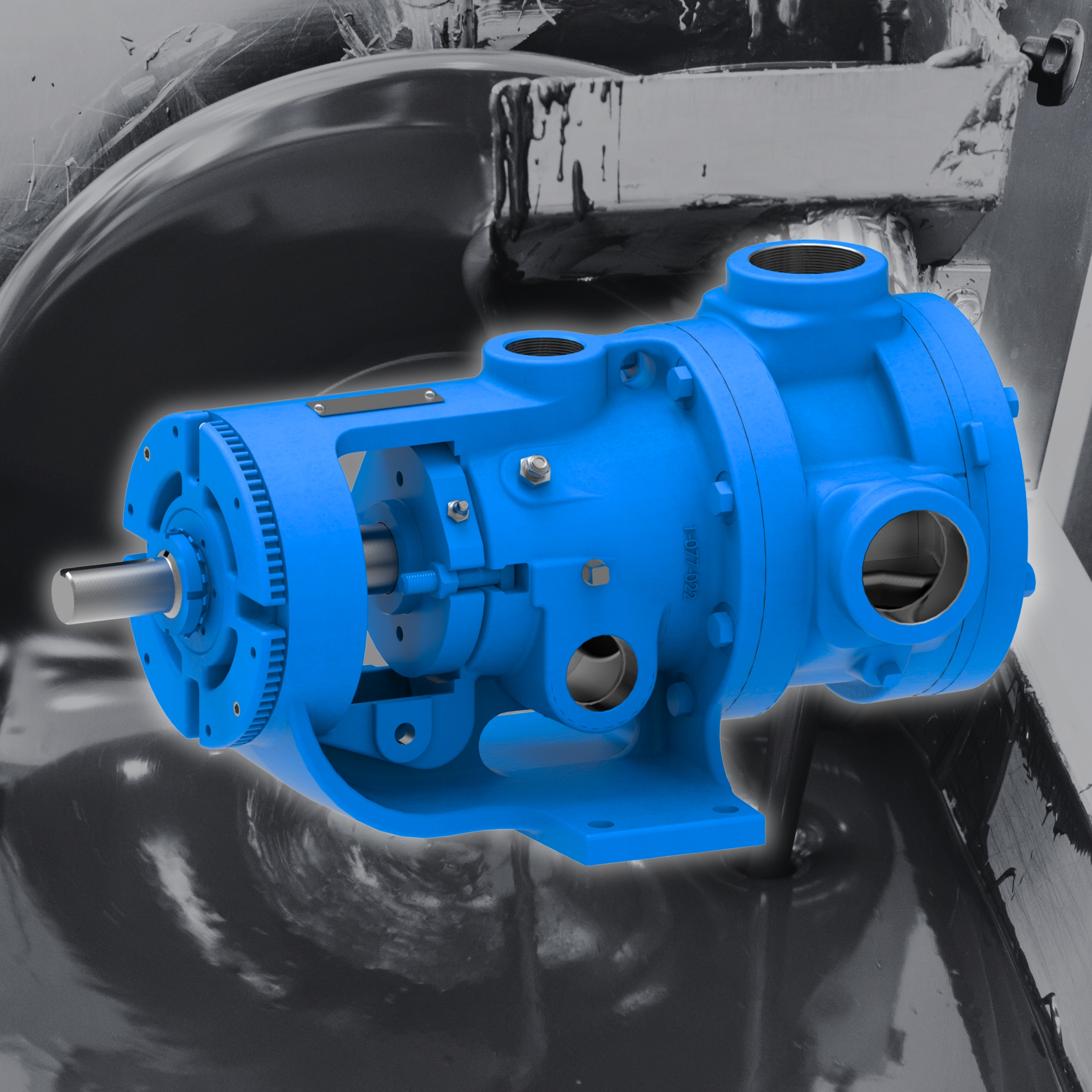
Through the processing stages, pump selection has the most direct bearing on product quality. Progressive cavity pumps are well-suited to food and beverage processing duties where viscous, shear-sensitive, or solid-laden products need to be moved consistently and gently through the production line.
For shear-sensitive products like yoghurt, emulsions, and fruit-based beverages, lobe pumps and peristaltic designs offer gentle handling without the product damage that higher-shear alternatives introduce.
For chocolate and confectionery specifically, Viking’s Chocolate Pumps are positive displacement designs built around the particular demands of cocoa liquor, cocoa butter, and chocolate transfer, where temperature sensitivity and product consistency are both critical.
Mixing and blending sits alongside product transfer across many processing stages. The Lightnin range of sanitary mixers handles dairy, sauces, dressings, and fermentation vessels, while Plenty TM and STM series mixers provide tank agitation and homogenisation for edible oils, syrups, and bulk liquid ingredients.
As such, pump selection should start with the product, not simply the required flow rate. Viscosity, temperature, solids content and shear sensitivity can all influence the most suitable pump technology and how reliably the product moves through the process.
Hygienic pump selection and internationally recognised standards
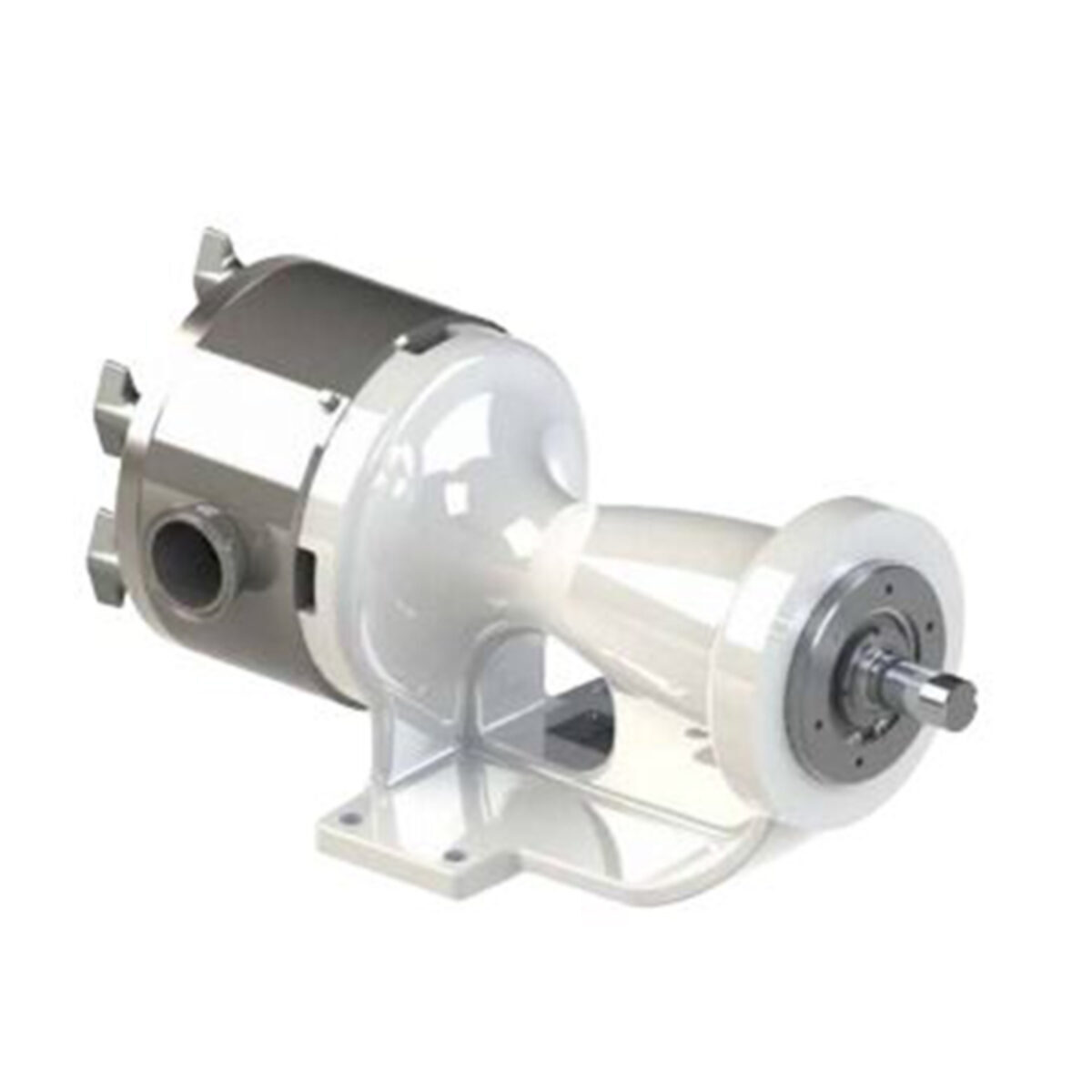
For food and beverage manufacturers, pump selection also needs to consider hygiene, cleanability and the materials that come into contact with the product. Kelair supplies selected hygienic pump technologies designed around internationally recognised food-processing requirements, including pumps available with compliance to FSANZ, 3-A, EHEDG, FDA and ISO standards.
The Viking Hygienic Series, for example, is designed for sanitary processing applications across food, beverage, pharmaceutical and personal-care industries, including systems that use Clean-In-Place (CIP) cleaning. The range is available with 3-A and EHEDG Type EL, Class 1 compliance, while wetted materials comply with FDA standards intended to limit the leaching of substances.
Kelair also supplies Sandpiper FDA Compliant Food Grade pumps for food-processing applications where cleanability and suitable food-contact materials are important considerations.
These standards provide useful benchmarks when assessing pump suitability, but compliance is still application-specific. The correct pump needs to be selected according to the product, materials of construction, temperature, pressure, viscosity, cleaning regime and required hygienic design. For food and beverage manufacturers, that means looking beyond flow and pressure to ensure the complete pumping solution is appropriate for the process.
Reliability matters beyond production for dosing, washdown and utilities
Dosing is one of the most precision-dependent pump duties in any food or beverage facility. Metering pumps handle pH adjustment, disinfection chemical delivery, CIP circuit dosing, and ingredient addition, all of which directly affect product safety and consistency.
Pulsafeeder metering pumps cover high-pressure dosing and process treatment duties including chemical dosing, pH adjustment, CIP, and ingredient dosing. For compact, accurate dosing in water treatment, CIP, dairy, brewing, and soft drinks applications, the Grundfos range of dosing pumps provides a reliable alternative across lower-pressure duties.
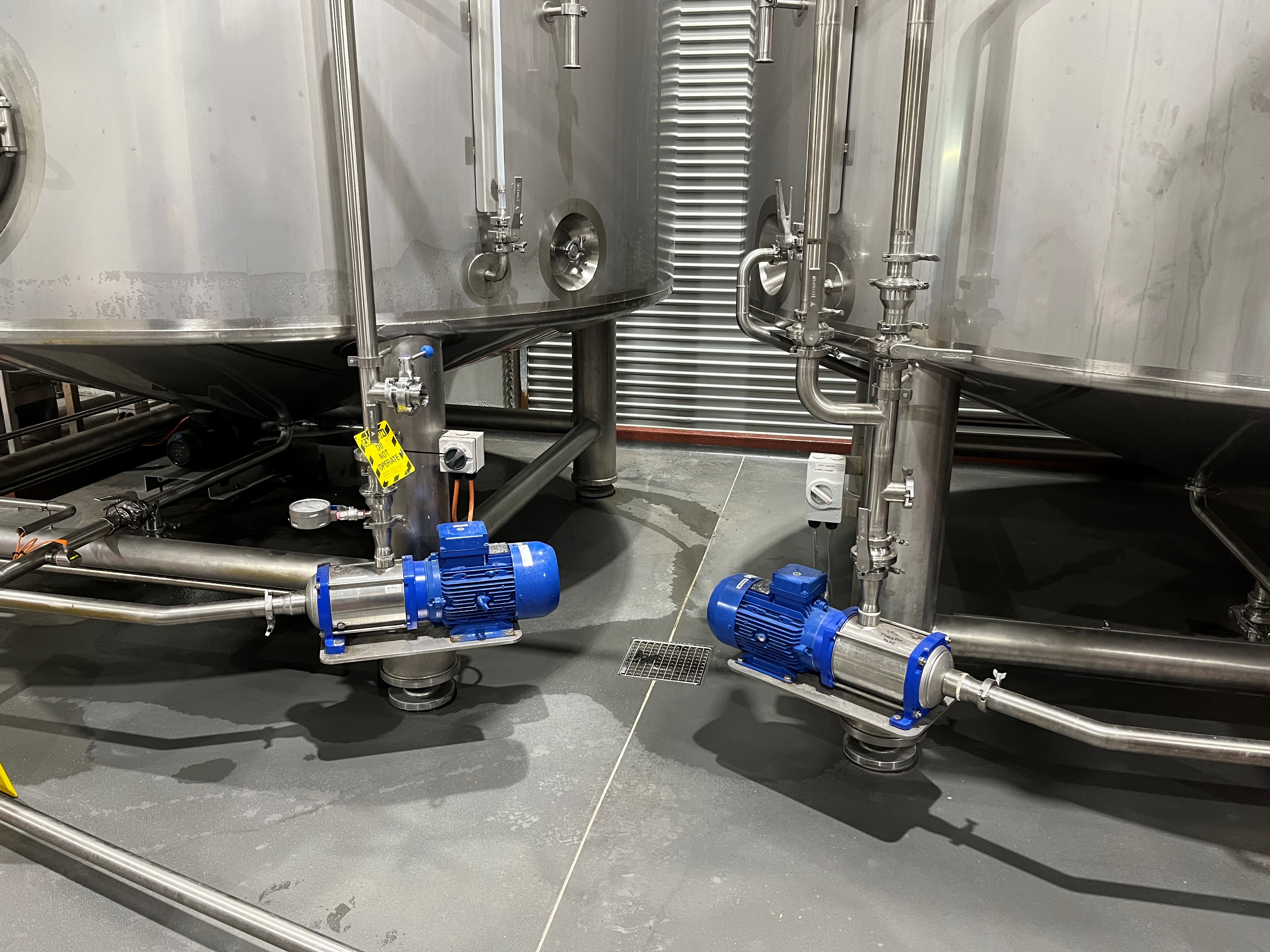
Utility and washdown pumping tends to attract less scrutiny at the specification stage than process pumps, but its reliability is just as important to production continuity. A washdown pump failure can halt production until the cleaning regime is completed.
The Lowara range of pumps covers clean water transfer, washdown, boiler feed, produce washing, and general utility duties across bottling, dairy, and brewing environments, providing the consistent pressure and flow that utility pumping in food facilities demands around the clock.
Overall, dosing accuracy is only part of the specification. The chemical being handled, required pressure and flow, operating conditions and duty cycle all need to be considered to ensure the pump performs consistently over time.
Specifying for more than flow in effluent, wastewater and discharge use
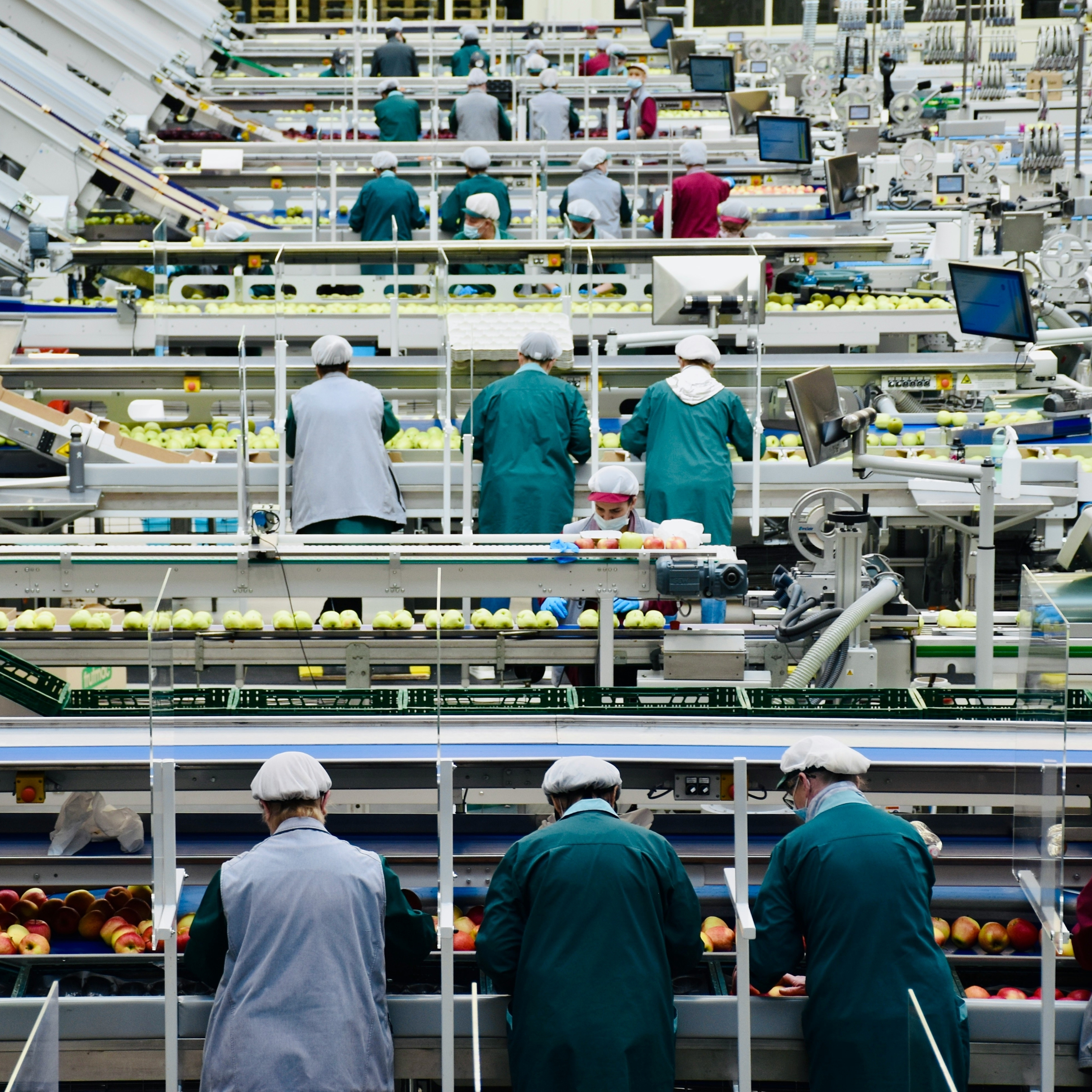
Finally, food and beverage production generates some of the most challenging wastewater streams in Australian manufacturing.
Progressive cavity pumps with integrated cutting systems can handle food waste processing duties at the effluent end of the facility, cutting back on both energy consumption and disposal costs.
For higher-volume effluent and organic solids handling, Flygt Adaptive N-hydraulics pumps provide self-cleaning performance suited to the variable and solids-laden streams that food facilities produce. Where waste streams include harder solids requiring reduction, Flygt Chopper and Grinder Pumps handle effluent, process waste, and organic solids reliably in demanding conditions.
Australian food manufacturers also carry regulatory obligations around wastewater discharge under state environmental frameworks, which means effluent pump reliability has compliance implications beyond production continuity alone.
In short, effluent pumping needs to account for what is actually entering the system. Solids content, particle size, organic material and the potential for blockages or clogging should all influence the pump and hydraulic selection.
Need a new pump specification? We can help
A food or beverage facility's pump requirements span a wider range of technologies than most specifications account for at the outset. Considering them as a connected system, rather than a series of individual point selections, produces better outcomes across every stage of production.
Selecting the right pump starts with understanding the duty. If you’re reviewing a food and beverage pumping application, our team can help you to specify the right pump for your process. Get in touch with our team now!